How to grow an edible garden
How to grow an Edible Garden
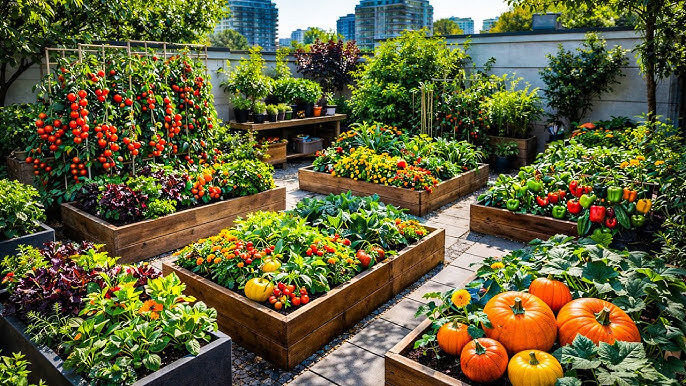
Looking to grow an edible garden? You don’t need a yard or balcony to get going!
Unless you are living in the country, you likely have never had the luxury of popping out to your garden and eating a fresh piece vegetable, or piece of fruit straight off the tree whilst enjoying the satisfaction that you coaxed this food into being with your very own hands!
But where does one even start in making this a reality? What if you don’t have a yard, how is it possible if you only have a balcony? And then of course the penultimate question. Is it worth attempting growing your own food when you can just run to the local shop and pick up what you need in minutes? Let us answer these questions and more by reading on!
Does size matter?
The age old question! Well, a vegetable garden can be any size, you don’t even need access to outside space. First of all, consider the area available to you, because that will determine the kind of equipment you need. Even the smallest space can accommodate some form of vegetable garden, with Greens and herbs growing well indoors under LED lights. With just a windowsill and some sort of tray, (a plastic or glass food storage container works well), you can easily grow microgreens.
In small outdoor spaces, like a balcony, pots or window boxes can form a garden. Tomatoes and peppers, for example, thrive in large pots as long as they get at least five hours of sun. When you have access to more outdoor space, like a yard or a community garden plot, you need to figure out the quality of the soil you’re working with. The trick to telling your soil type is to dig up a bit of soil with a trowel, and now how does it look? If it’s dark and crumbly like a cake, the soil is good and will work well. But if the soil is light colored and feels like sand, growing anything in it will likely be difficult. Bad soil isn’t a big problem. The solution is to work with raised beds, filled with high quality soil from a garden store.
If you do have the space, its best to start with a raised bed. Usually, this measures about 4ft by 8ft, and 12in to 14in deep. Fill it with a combination that is half loam (a mix of sand, silt and clay, considered the ideal garden soil) and half composted leaves, mixed in with composted or aged manure. Investing in good soil will likely be one of your bigger expenses. But afterwards, a new vegetable gardener only really needs a shovel, a trowel, and possibly some stakes or cages depending on the crop making it relatively inexpensive in the long run. Yes, it’s more effort than popping to the store, but there are huge benefits to growing your own veg, the largest being taste and freshness.
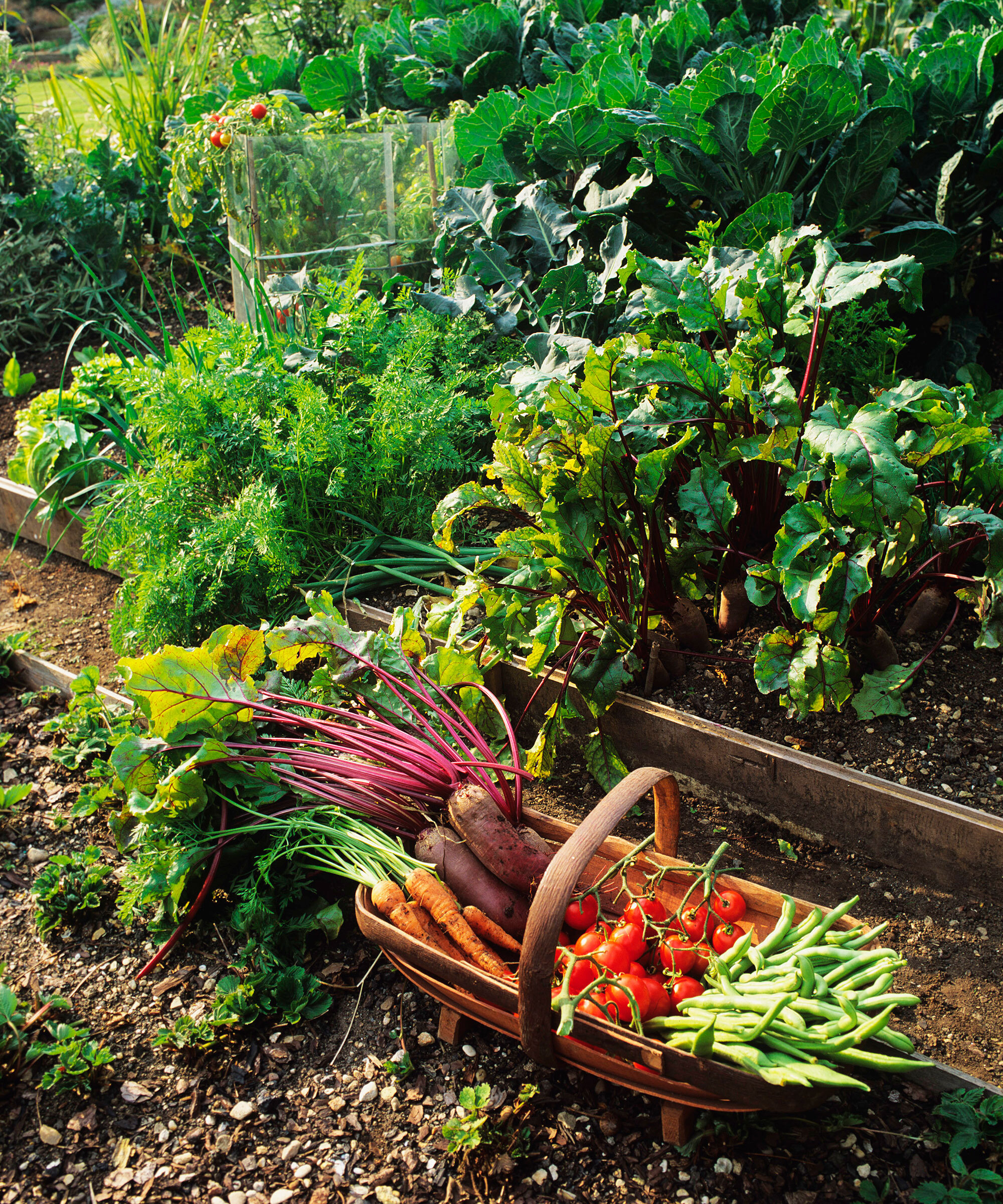
How do you decide what to plant in a vegetable garden?
The easiest place to start is by choosing start is by choosing a few vegetables you enjoy. Planting varieties of vegetables that you can’t find at your local market, is also a good trick and far more delicious!Bottom of Form Some crops of course are easier than others, most greens, such as lettuce, kale and arugula, tend to grow quickly and easily; starches such as squash are generally prolific and disease resistant; and radishes are also a lower maintenance vegetable to grow. More difficult crops include celery, melon, cauliflower, eggplant and broccoli.
Always check the seed packet to find out if a certain plant will work in your garden. It will likely be printed with information about when to plant the seeds (usually expressed in “days since last frost”), how far apart to place them, and whether they need direct or indirect sunlight. Also don’t be afraid to ask other enthusiasts for advice, or even someone at your local gardening.
What common mistakes should beginners avoid?
Don’t run before you can walk. Be realistic about how much time, energy and money you’re willing to commit to your garden. There’s also no need to spend lots of money on fancy equipment right away. Another common mistake is people often buy plants that are too mature. Larger plants exposed to cold temperatures can bolt prematurely once warm weather arrives, meaning the plant has been stressed, goes to seed early, and produces vegetables that are bitter and unpalatable.
Many flowers and vegetables also perform better when planted later, gardening is not just a spring activity, It’s a season-long process.
Considering growing your own edible garden? We’d love to see it! Show us your progress by emailing us at apimail@apiwa.com.au