
Reduce mould with indoor plants
5 Houseplants That Reduce Ambient Moisture and Help Fight Mould
Mould is a common problem in many of our homes. Damp enclosed spaces can lead to mould growth, which often triggers allergies & other serious health issues. Whilst houseplants can increase humidity, creating an environment where mould might thrive, some specific plants actually combat the formation of indoor mould naturally. These plants not only add greenery to your space but also act as natural dehumidifiers, absorbing ambient moisture, and in some rare instances, releasing antimicrobial and antifungal compounds that can naturally inhibit mould growth. Whilst no plant will be able to eradicate existing mould, the below types can certainly reduce the likelihood of it returning once it has been treated.
Indoor plants can help reduce the growth by mould in several ways. These include:
- Absorbing Excess Moisture: Certain plants take up moisture from the air through their leaves, effectively acting as natural dehumidifiers. This lowers the humidity level in your home, making it less hospitable for mould spores to thrive.
- Releasing Compounds that Combat Mould: While rare, some plants release antimicrobial or antifungal compounds into the air. These substances inhibit the growth of mould and mildew on surfaces.
- Improving Air Circulation: Plants with broad leaves help to circulate air within a room, preventing moisture from settling and creating a mould-friendly environment.
Here Are Five Houseplants Known for Their Ability to Reduce Mould Effectively:
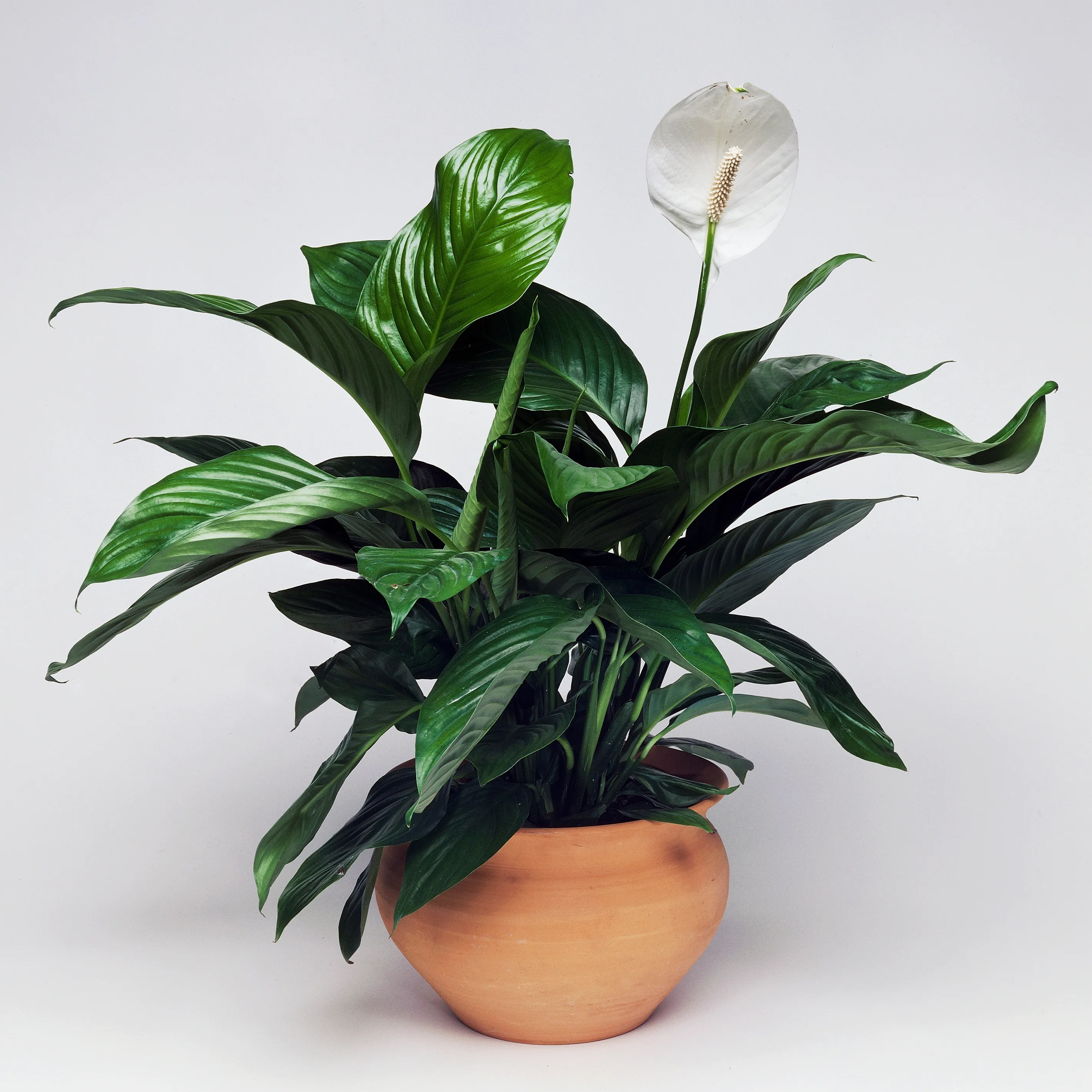
Peace Lily (Spathiphyllum)
Peace lilies are excellent at absorbing moisture from the air, making them effective in rooms with high humidity levels, such as bathrooms and kitchens. Their glossy leaves release natural compounds that can limit mould growth. Peace lilies thrive in moderate, indirect light and require only weekly watering. Keep the soil slightly moist but avoid waterlogging, as they prefer humid conditions without excessive water around the roots.
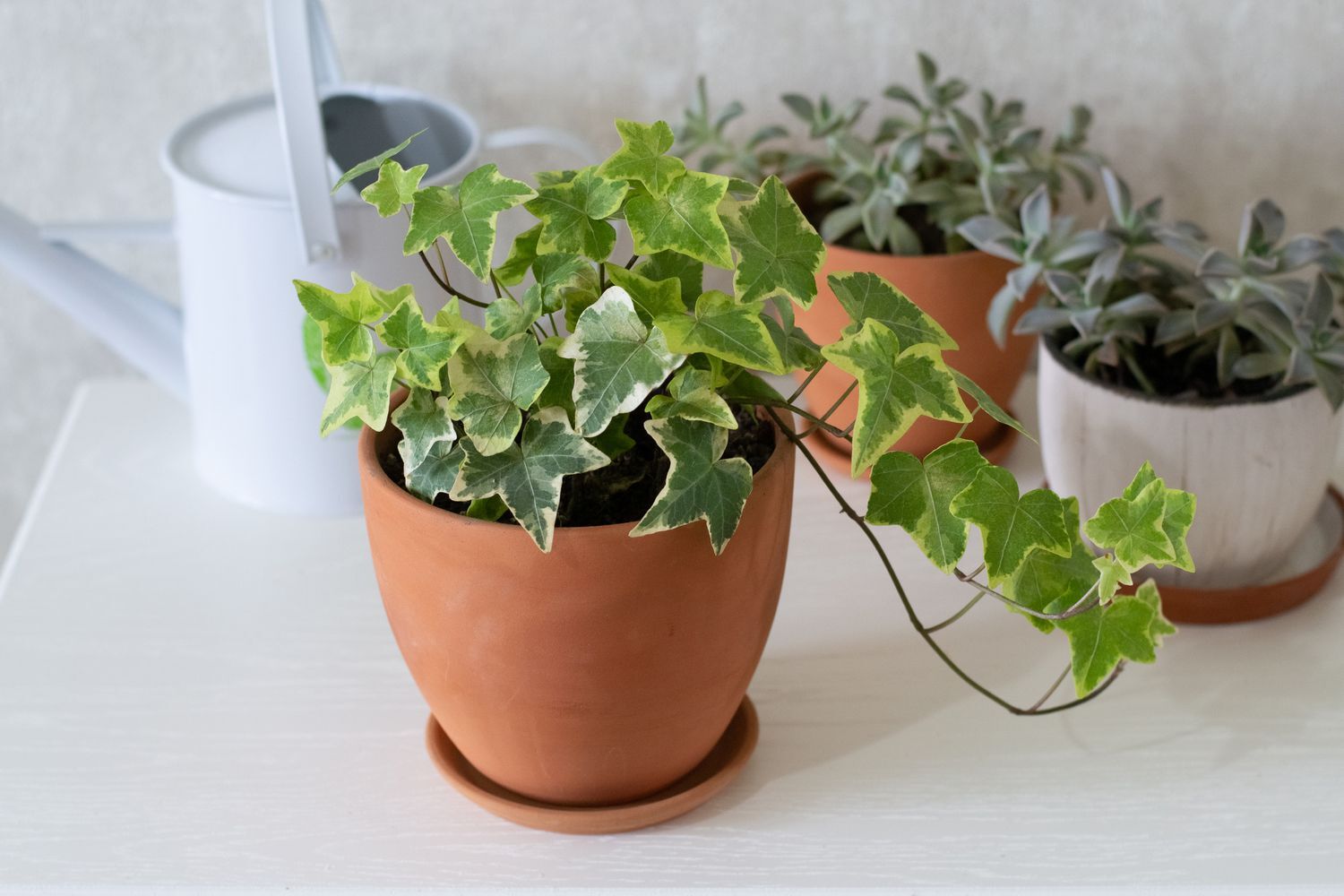
English Ivy (Hedera helix)
English ivy is a powerful air purifier that can also absorb airborne mould spores. Its trailing vines spread across surfaces, absorbing moisture and releasing oxygen, which can inhibit mould growth. English ivy does well in bright, indirect light but can tolerate lower light levels. It likes moist, well-drained soil, so water when the top layer feels dry. Trim it regularly to prevent it from becoming too invasive indoors.
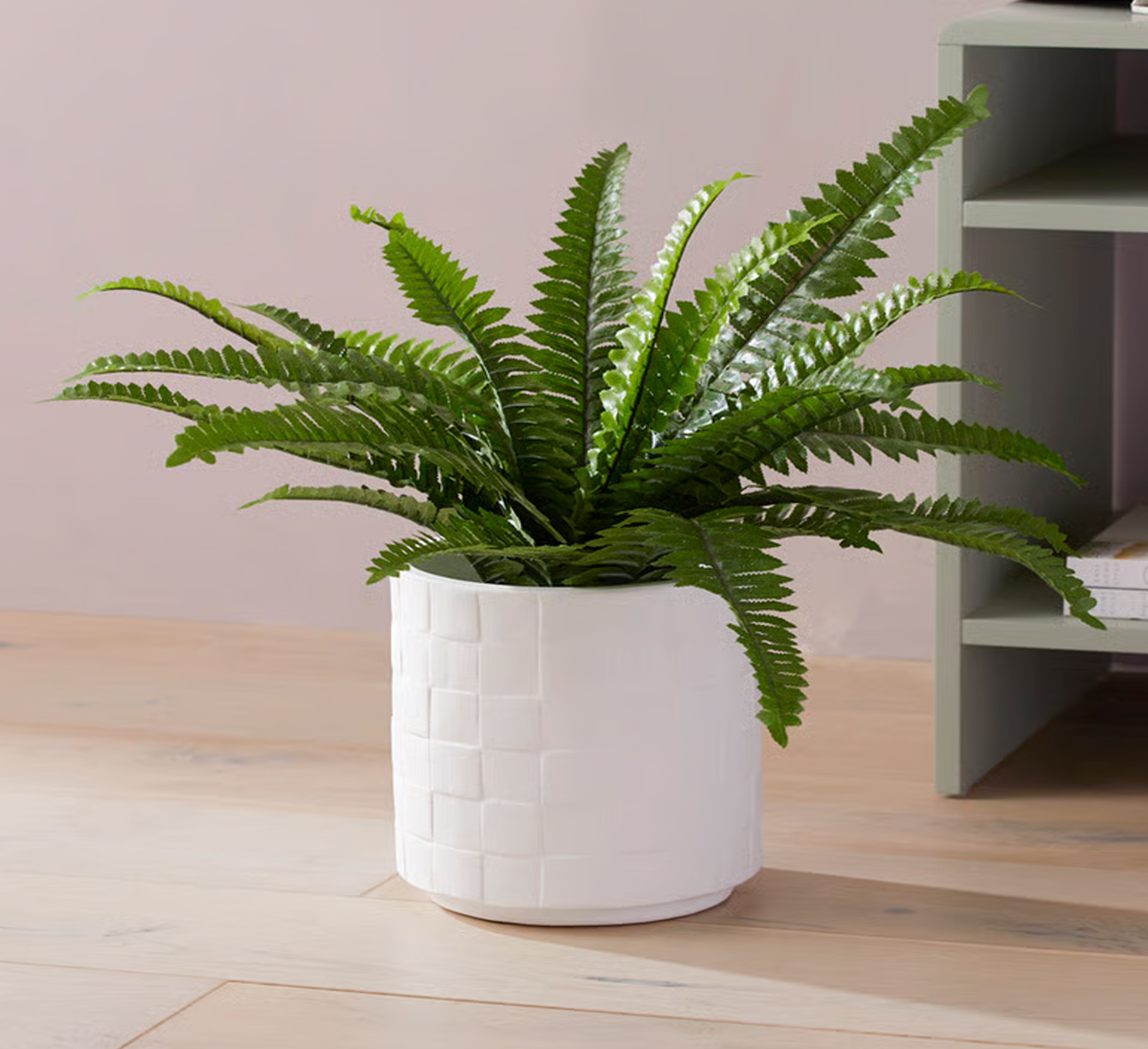
Boston Fern (Nephrolepis exaltata)
Many ferns have humidity-absorbing capabilities, but the Boston fern in particular thrives in bathrooms and other humid areas. Its feathery fronds absorb moisture, and it releases oxygen, helping to purify the air and discourage mould formation. Boston ferns prefer indirect light and require high humidity, so misting the leaves regularly can be helpful. Water frequently to keep the soil consistently moist but avoid waterlogging the roots.
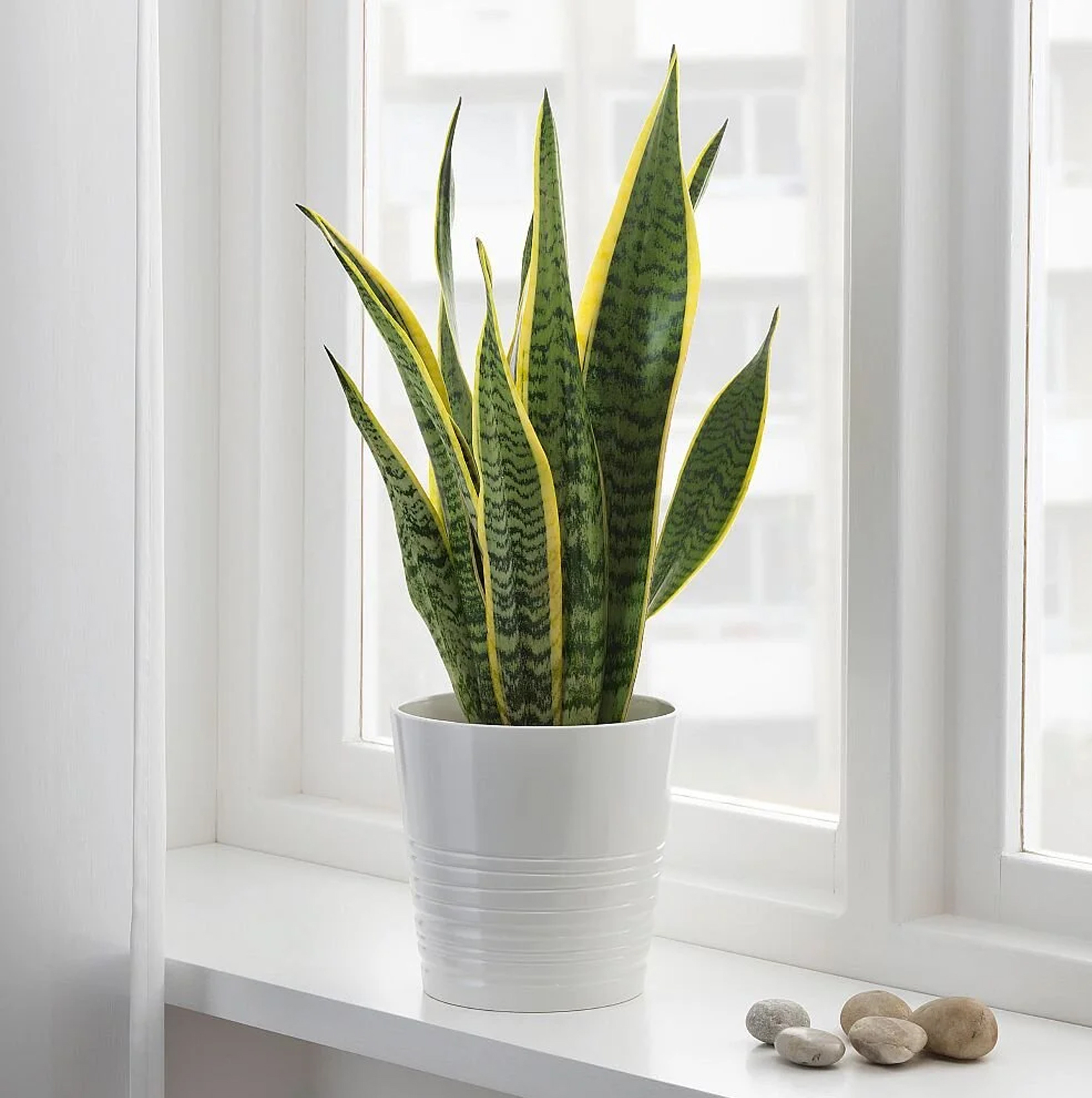
Snake Plant (Sansevieria trifasciata)
Snake plants, also known as mother-in-law’s tongue, release oxygen at night, making them great for bedrooms. They absorb moisture and filter out toxins from the air, which may help reduce mould spores indoors. Snake plants are low-maintenance and tolerate low to bright indirect light. Water them sparingly, as they are drought-tolerant and prefer dry soil between waterings.
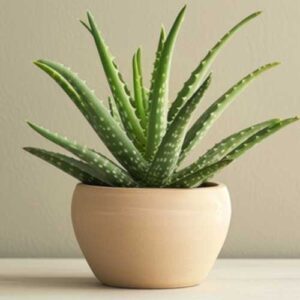
Aloe Vera
Aloe vera is not only a well-known medicinal plant but also effective at absorbing moisture and releasing antimicrobial compounds that inhibit mould growth. It’s an ideal choice for kitchens and bathrooms. Aloe vera needs bright, indirect sunlight and only occasional watering. Allow the soil to dry out completely between waterings, as it prefers drier conditions.
Tips for Maximising Mould-Reducing Benefits with Houseplants
- Place in Humid Areas: Position these plants in areas prone to dampness, such as bathrooms, kitchens, or laundry rooms, to help reduce moisture.
- Avoid Overwatering: Excess water in plant soil can create its own mould problems. Make sure each plant is in a well-draining pot and that you’re watering appropriately for each plant type.
- Wipe Down Leaves: Dust can block a plant’s ability to filter air, so gently wipe the leaves with a damp cloth every couple of weeks.